Knowledge drives
better systems.
Practical training and technical talks designed to connect people with the technologies shaping modern engineering and agriculture.
Six things we know
well enough to teach.
We only talk about work we do ourselves. Every subject below is something we design, install or operate on real sites in Malaysia.
Smart agriculture
What can be measured on a farm, and what changes once you start measuring it.
IoT & connected systems
Sensors, gateways and LoRa: how a reading gets from the ground to a screen.
AI & data-driven agriculture
What can and cannot be concluded from your own farm’s record.
System monitoring
Reading a dashboard, recognising a fault, and knowing when a reading is wrong.
Solar & renewable energy
How a solar system actually works, and what decides whether it makes sense on a given site.
Sustainable technology
Energy, water and soil, looked at together rather than as three separate topics.
Two services.
Three places to be.
Training is either showing you how to run the system we installed, or coming out to your farm because the crop is not doing what it should. Talks are the same knowledge in front of a room.
Learning the system you now own.
On your site, on your own unit. What each part does, how to read the screen, what to check each week, and what to do when something looks wrong. The people who will run it are the people we train.
Coming out because the crop is struggling.
We walk the field with you, look at what is actually happening in the rows, and work through what is holding the crop back. The point is not a report. The point is that the next planting goes better.
In front of whatever room you have.
Agriculture events, industry sessions, technical briefings, and talks at schools and colleges. From a conference hall to a classroom, the subject is the same work, explained at the level of the room.
What an hour with us
actually covers.
Three people around a control box or three hundred in a hall: a session moves through the same five things.
We start with the thing itself.
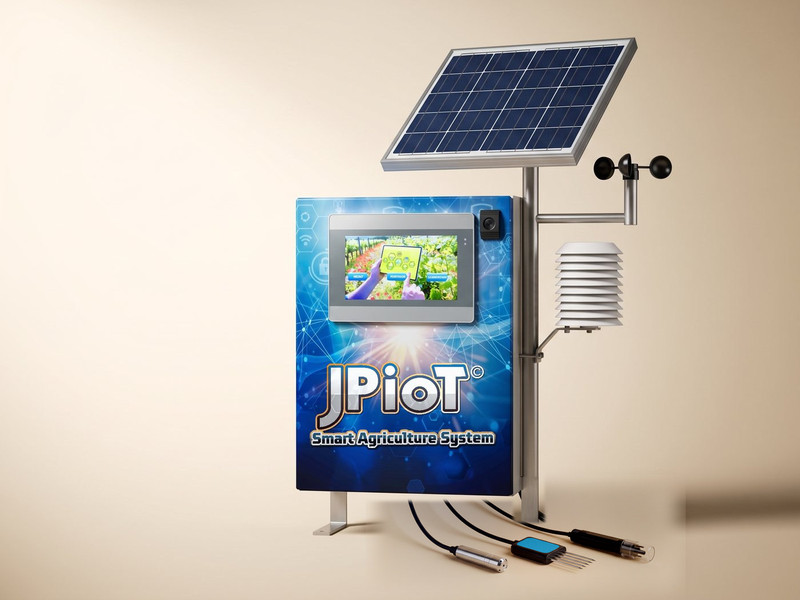
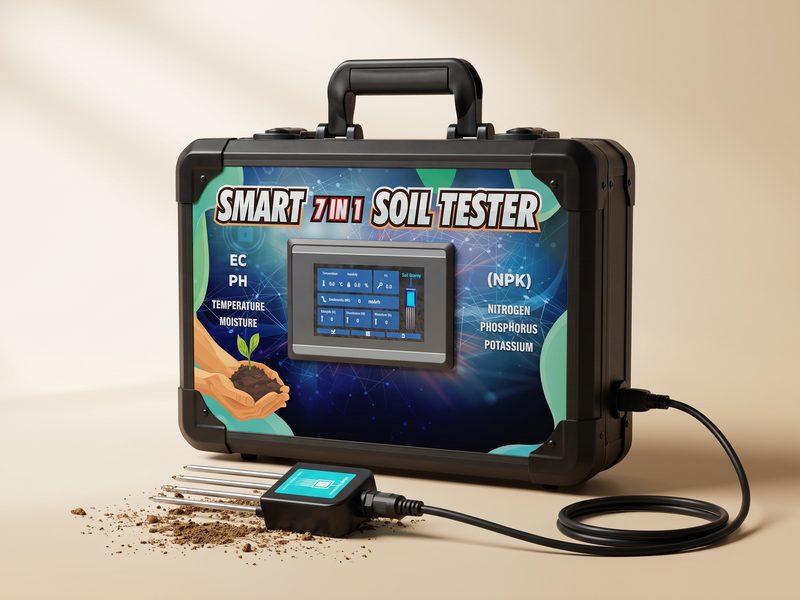
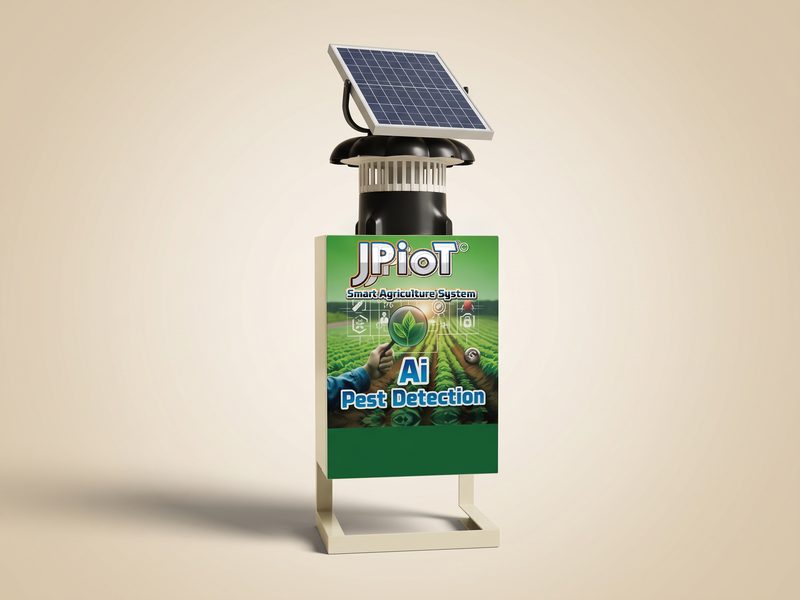
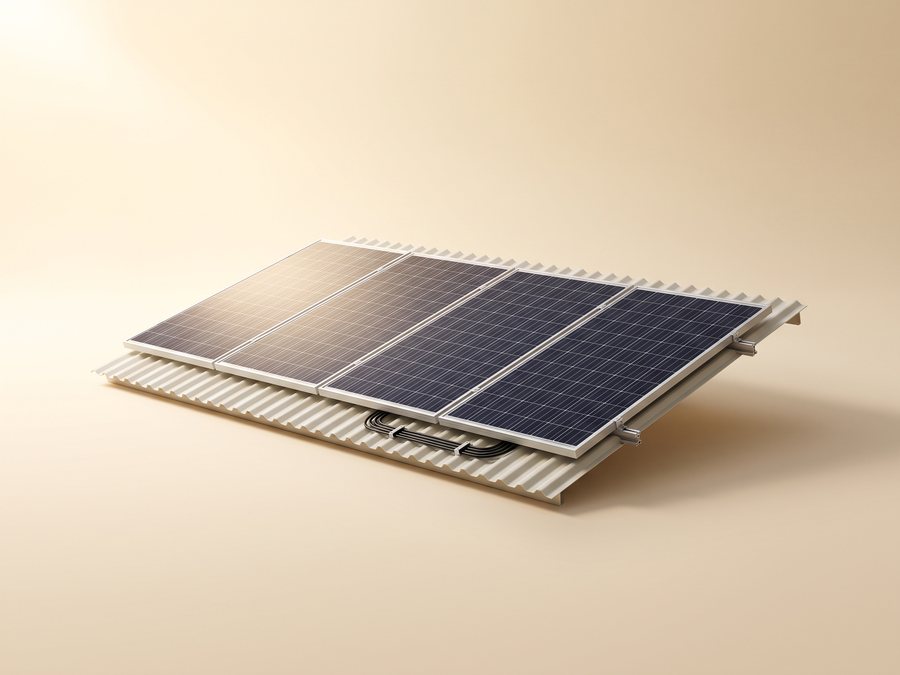
Not slides about a category. The actual unit, the actual structure, the actual array, either carried into the room with us or standing in front of us.
Then it comes apart.
What each part does, why it is there, and what happens when it is left out. This is the half most people have never been shown.
Everyone gets a turn.
Switching it on, reading the screen, changing a setting, putting it back. Nobody learns equipment by watching somebody else touch it.
Then: on your own land.
We take it back to your crop, your site and your budget, because a session that ends in general knowledge changes nothing on Monday.
And then the questions.
The most useful part of almost every session. What a room asks is nearly always more specific than anything we planned to say.
The people who will be
using it on Monday.
We have run training and talks for government agencies, vocational colleges, universities, cooperatives and private companies. The room changes; the reason for being in it does not.
Farm operators
The people making the irrigation and feeding decisions every day.
Technical teams
Technicians who will maintain the installation after we leave.
Students
Vocational colleges and universities, where this is still new.
Organisations
Agencies and cooperatives supporting a group of growers.
Industry professionals
Engineers and project managers assessing this technology.
Project teams
Teams about to scope an installation of their own.
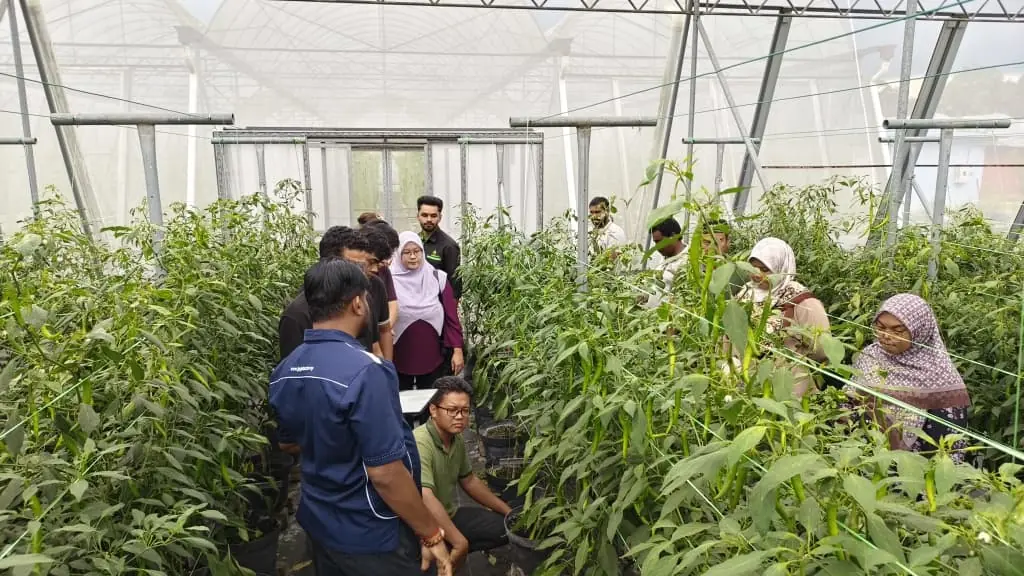
Up to 5,000 farmers trained by JP Global Engineering.
In their own words
The training session has completely changed the way I work. I’m more thoughtful with my decisions for my farm after gaining insight into how important the soil data is.
Expected growth in outcome of 20–30%. Minimises manpower cost, making crop monitoring more efficient with less human error.
I’ve been farming for over 15 years and this is the first time I’ve felt truly in control of my soil. The system tells me exactly when to water, and the pH and EC sensors help me adjust my fertilisation perfectly. My harvest this season was smoother and healthier.
Before installing the system, I had issues with uneven watering and low potassium in the soil. Now I get alerts on my phone, and the automatic tank and piping system ensures my plants get what they need. Very efficient!
Testimonials as shared with JP Global Engineering. Results vary from farm to farm.